The fastest, cleanest way to clear a stubborn drain. Removes fat, scale, roots and silt without chemicals. Domestic from £220, commercial quoted on assessment.
What drain jetting actually does
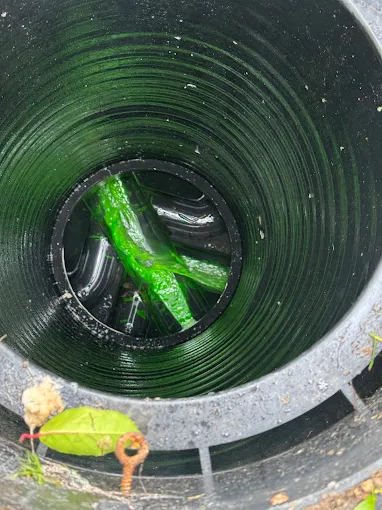
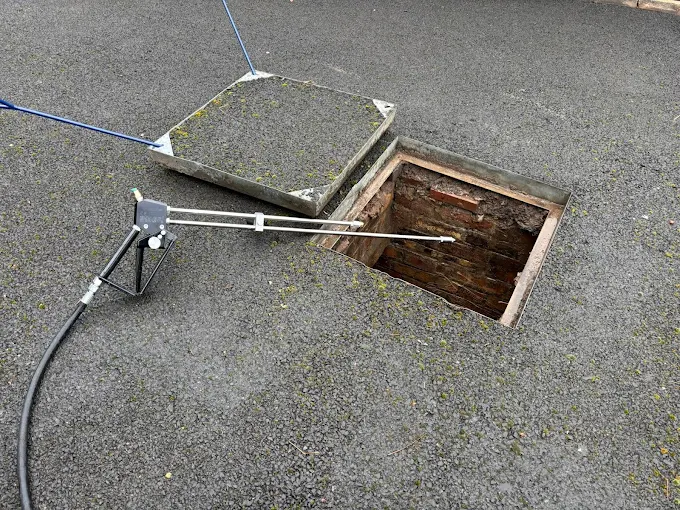
A jetter blasts water through the pipe at up to 4,000 psi. It clears:
Fat, grease and soap build-up
Scale and mineral deposits in older lead/iron pipes
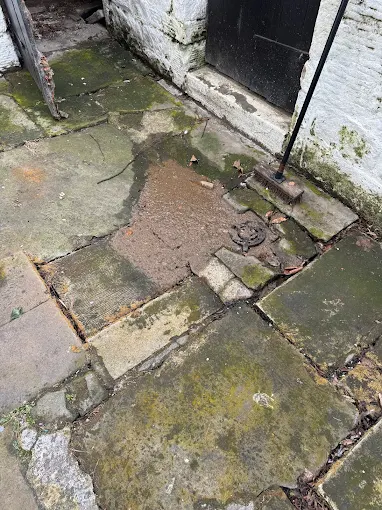
Silt and grit from soakaways and gullies
Small roots and organic debris
Compacted blockages that won't shift with rodding
Unlike rodding, jetting cleans the entire internal surface of the pipe, not just the blockage point. That’s why it’s the preferred method for restaurants, cafés and properties with recurring fat issues.
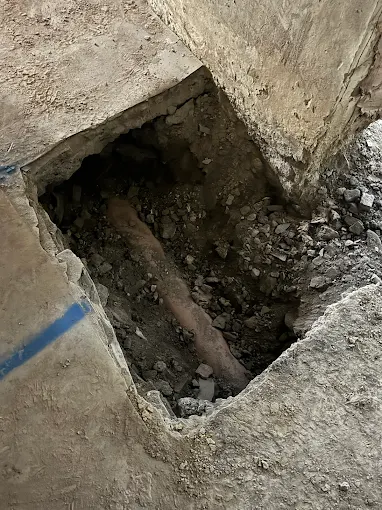
We won’t jet a pipe we suspect is fractured or collapsed – high pressure can make damage worse. If our initial inspection or CCTV shows structural failure, we’ll tell you straight and recommend lining or repair instead.
Is drain jetting better than traditional drain rodding?
Yes – in most stubborn or recurring blockage cases. Rodding usually punches a hole through the blockage, while high-pressure jetting cleans the full internal surface of the pipe, removing grease, scale, silt and debris more thoroughly.
Can high-pressure jetting damage drains?
Jetting is safe for properly maintained drainage systems when carried out professionally. However, if a pipe is cracked, collapsed or structurally weak, high pressure can worsen the damage. That’s why we inspect the drain first and may recommend CCTV surveys or repairs before jetting.
What types of blockages can drain jetting remove?
High-pressure jetting is effective for clearing fat, grease, soap build-up, mineral scale, silt, grit, organic debris and small root intrusions. It’s commonly used for domestic drains, restaurant waste lines, gullies, soakaways and commercial drainage systems.
Blocked drain right now? we’re answering 24/7 and an engineer will be on the way within minutes.